


-

Add: HeBei ShengShi HongBang Cellulose Technology CO.,LTD.
-

Email
13180486930@163.com -

CONTACT US
+86 13180486930

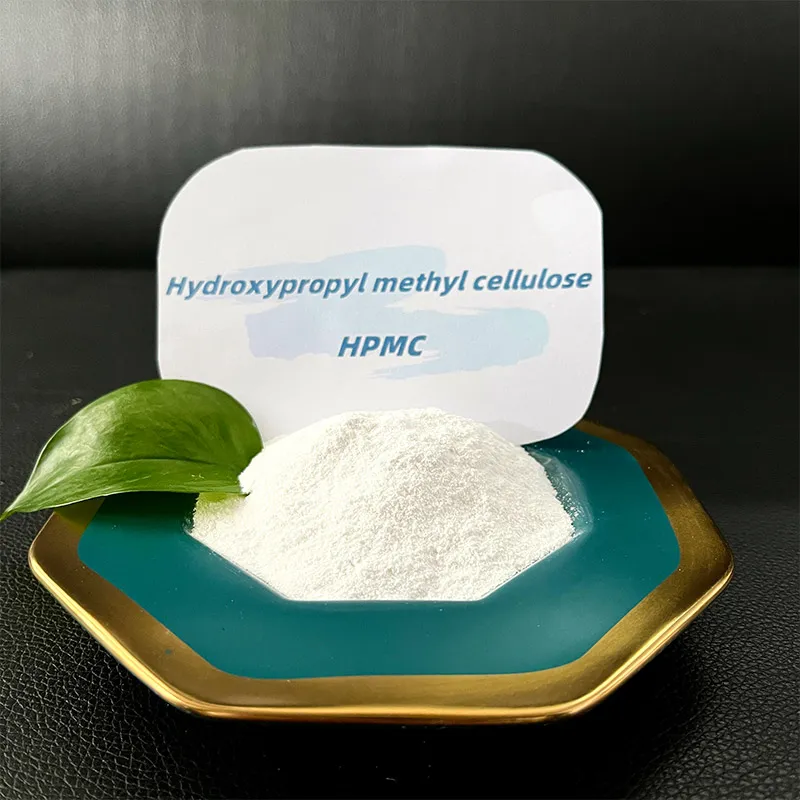
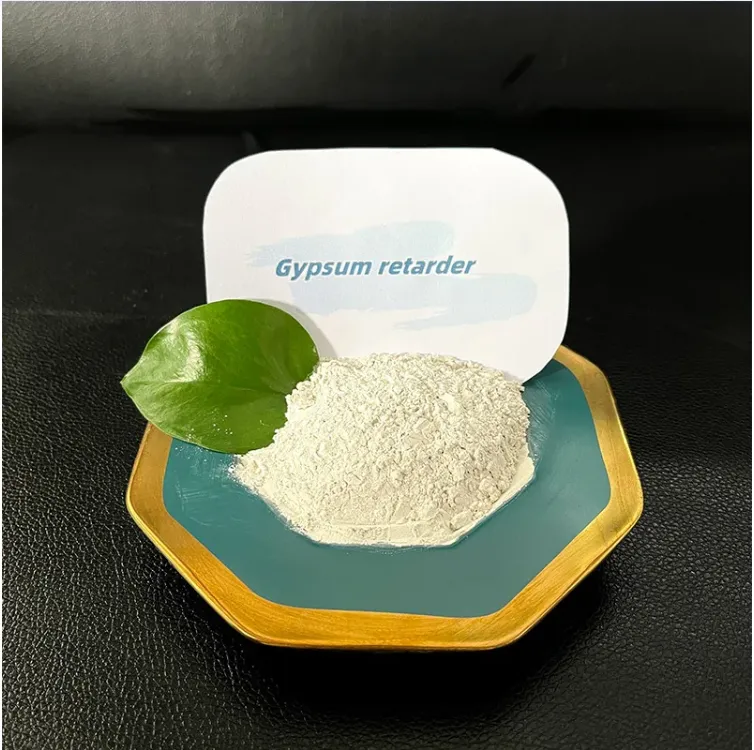
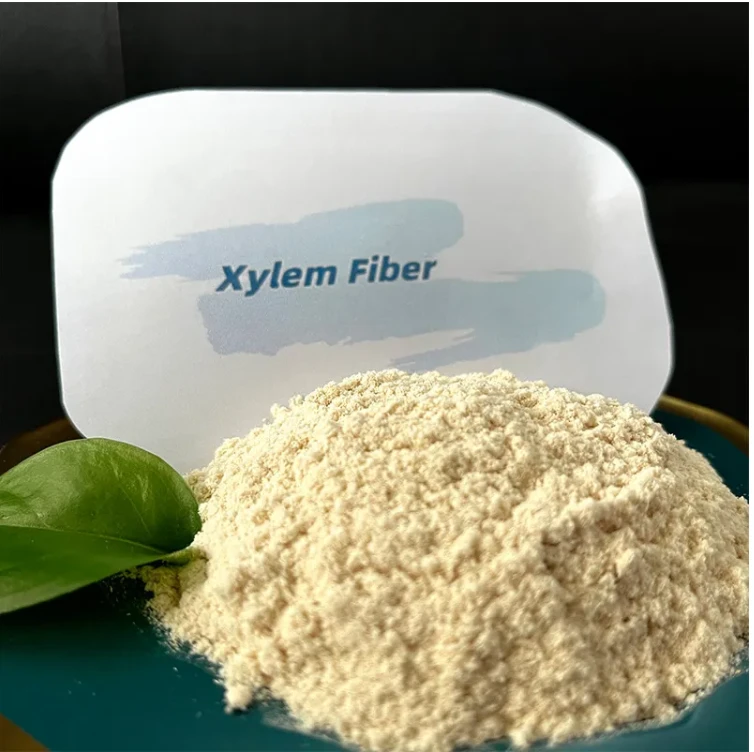

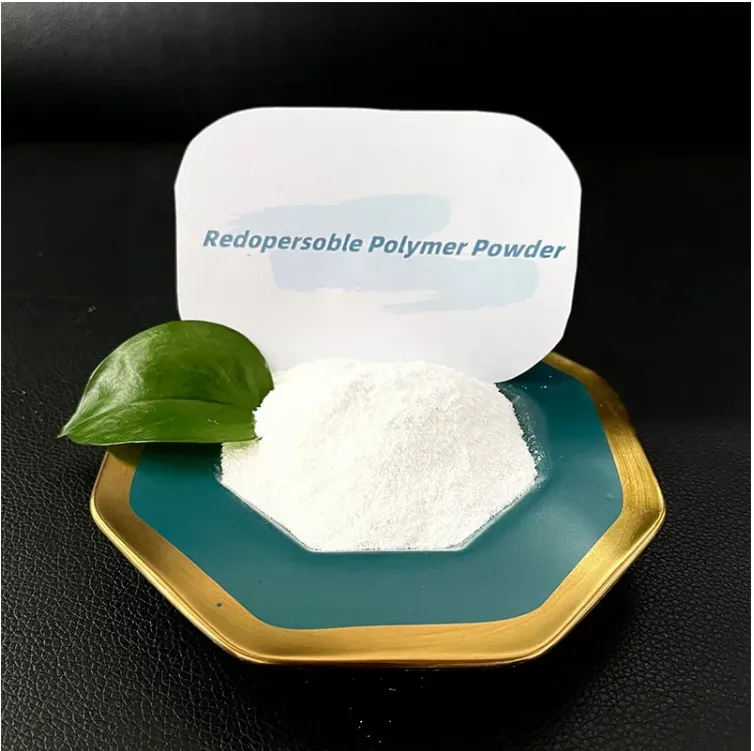


Xylem Fiber , a natural and renewable resource derived from wood, has emerged as a game-changer in the construction and manufacturing industries. This innovative material, processed through advanced chemical and mechanical treatments, offers a sustainable alternative to traditional raw materials while enhancing product performance. As global demand for eco-friendly solutions grows, HeBei ShengShi HongBang Cellulose Technology CO.,LTD has positioned itself as a leader in harnessing the potential of wood cellulose to create high-quality, versatile products. This article explores the features, advantages, technical specifications, and applications of Xylem Fiber , alongside the company's commitment to sustainability. Core Features of Xylem Fiber Xylem Fiber is derived from the cellulose extraction from wood , a process that transforms raw wood into a refined, fibrous material. This natural resource is characterized by its high tensile strength, absorbent properties, and biodegradability. Unlike synthetic alternatives, Xylem Fiber retains its structural integrity while being fully compatible with eco-friendly manufacturing processes. Its unique composition allows it to integrate seamlessly into various industrial applications, making it a preferred choice for manufacturers seeking sustainable solutions. One of the standout features of Xylem Fiber is its ability to improve the mechanical properties of construction materials. When incorporated into concrete and mortar , it enhances durability and reduces the need for conventional additives. Additionally, its absorbent nature makes it ideal for producing wood pulp sponges , offering a biodegradable alternative to synthetic cleaning products. The fiber's versatility extends to the asphalt industry, where it acts as a reinforcing agent, improving the resilience of road surfaces. Advantages of Xylem Fiber The adoption of Xylem Fiber presents numerous advantages for both manufacturers and end-users. From an environmental perspective, its use reduces reliance on non-renewable resources, aligning with global efforts to combat climate change. By replacing traditional materials like cellulose wood fibers in medium density fiberboard (MDF) production, Xylem Fiber contributes to lower carbon emissions and waste generation. From a performance standpoint, Xylem Fiber enhances the structural properties of construction materials. For instance, in gypsum products , it improves workability and structural integrity, ensuring longer-lasting results. Its ability to withstand mechanical stress also makes it a valuable component in asphalt formulations, where it extends the lifespan of roadways. These benefits make Xylem Fiber a cost-effective solution for industries aiming to balance quality and sustainability. HeBei ShengShi HongBang Cellulose Technology CO.,LTD emphasizes responsible forestry practices in the production of Xylem Fiber . By sourcing wood from sustainably managed forests, the company ensures that its operations support ecosystem balance and biodiversity. This commitment to ethical sourcing further strengthens the environmental credentials of Xylem Fiber . Technical Specifications Parameter Details Material Source Wood (sustainably sourced) Processing Method Chemical treatments and mechanical processing Key Properties High tensile strength, absorbency, biodegradability Applications Concrete, mortar, gypsum products, asphalt, MDF Environmental Impact Reduces reliance on non-renewable resources; low carbon footprint Application Scenarios Xylem Fiber is widely used across multiple industries, each leveraging its unique properties to meet specific needs. In the construction sector, it is a critical component in concrete and mortar mixes, where it enhances strength and durability. Its incorporation reduces the amount of cement required, lowering costs and environmental impact. Similarly, in gypsum products , Xylem Fiber improves workability and structural stability, making it a preferred choice for interior wall systems. In the asphalt industry, Xylem Fiber acts as a reinforcing agent, improving the flexibility and longevity of road surfaces. This application is particularly beneficial in regions with extreme weather conditions, where traditional asphalt may degrade more quickly. For medium density fiberboard (MDF) production, Xylem Fiber provides a sustainable alternative to conventional wood fibers, enabling the creation of durable, eco-friendly building materials. The fiber's absorbent properties also make it ideal for wood pulp sponges , which are used in household and industrial cleaning. These sponges are fully biodegradable, offering a greener alternative to synthetic sponges. As industries continue to prioritize sustainability, the applications of Xylem Fiber are expected to expand further. Company Background: HeBei ShengShi HongBang Cellulose Technology CO.,LTD HeBei ShengShi HongBang Cellulose Technology CO.,LTD is a leading manufacturer specializing in wood cellulose and cellulose extraction from wood . With a strong focus on innovation and sustainability, the company has established itself as a trusted provider of high-quality, eco-friendly materials. Their expertise in processing cellulose wood fibers ensures that Xylem Fiber meets the highest standards of performance and environmental responsibility. Based in Hebei, China, the company adheres to rigorous quality control measures to deliver products that meet global industry requirements. Their commitment to sustainable practices extends beyond production, as they actively promote responsible forestry and waste reduction initiatives. By integrating Xylem Fiber into their product portfolio, HeBei ShengShi HongBang supports the transition toward greener technologies and contributes to the fight against climate change. For more information about Xylem Fiber and HeBei ShengShi HongBang Cellulose Technology CO.,LTD , visit their product page or company website . Authoritative Citations and References The environmental and technical benefits of Xylem Fiber align with research conducted by the National Institute of Standards and Technology (NIST) , which emphasizes the importance of sustainable materials in reducing carbon footprints. According to NIST, "Renewable resources like cellulose-based fibers play a critical role in advancing green technologies and supporting long-term ecological balance" ( NIST, 2023 ). These findings underscore the significance of Xylem Fiber in the broader context of sustainable manufacturing. Additionally, the U.S. Department of Energy highlights the potential of wood-derived fibers in improving energy efficiency in construction materials ( U.S. Department of Energy, 2022 ). By incorporating Xylem Fiber into their products, manufacturers can contribute to a more sustainable future while meeting evolving industry standards. Conclusion Xylem Fiber represents a transformative solution for industries seeking to balance performance with sustainability. Its natural origin, versatility, and environmental benefits make it an ideal choice for construction, manufacturing, and consumer goods sectors. Through the innovative efforts of HeBei ShengShi HongBang Cellulose Technology CO.,LTD , Xylem Fiber continues to redefine the possibilities of renewable resources in modern applications. As the demand for eco-friendly materials grows, Xylem Fiber is poised to play a pivotal role in shaping a more sustainable future. By leveraging the power of wood cellulose and cellulose extraction from wood , industries can reduce their environmental impact while delivering high-quality, durable products. For more information, explore Xylem Fiber and HeBei ShengShi HongBang Cellulose Technology CO.,LTD .
- 40000tons

Production
- 20+years

Experience
- 5000+㎡

Acreage

-
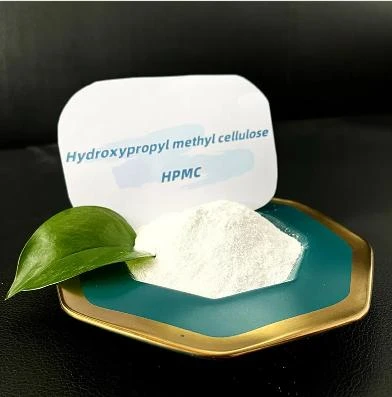
Die Verwendung von HPMC CMC in der modernen Industrie hat sich als bahnbrechend erwiesen. HPMC (Hydroxypropylmethylcellulose) und CMC (Carboxymethylcellulose) gelten in vielen Herstellungsprozessen als essenzielle Bestandteile. Diese Polymeren werden häufig in der Pharma-, Lebensmittel- und Bauindustrie eingesetzt. Einer der Hauptvorteile von HPMC ist seine Vielseitigkeit . In der pharmazeutischen Industrie verbessert es die Bioverfügbarkeit von Medikamenten und gewährleistet eine kontrollierte Freisetzung von Wirkstoffen. Dies wird durch die Film-bildenden Eigenschaften von HPMC ermöglicht, die es zu einer bevorzugten Wahl für die Herstellung von Medikamentenkapseln und Tabletten machen. Ärzte und Apotheker weltweit vertrauen auf den stabilen und zuverlässigen Einsatz dieser Substanz. Die Wirksamkeit von CMC zeigt sich hingegen besonders im Lebensmittelbereich. Als Verdickungsmittel in Saucen und Getränken gewährleistet CMC eine gleichmäßige Konsistenz und verbessert die Mundgefühl des Produkts. Seine Verwendung in glutenfreien Brotprodukten bietet zudem eine ideale Lösung für Konsumenten mit speziellen Ernährungsbedürfnissen. Zudem ist CMC dafür bekannt, die Haltbarkeit von Lebensmitteln zu verlängern, was zu einer Reduzierung von Lebensmittelabfällen führt. Die enge Zusammenarbeit mit Ernährungswissenschaftlern und Lebensmitteltechnikern unterstreicht die Bedeutung und das Vertrauen in die Anwendbarkeit von CMC. Im Bauwesen steigert HPMC die Klebekraft von Mörtel und verbessert die Beständigkeit von Fassaden und anderen Baumaterialien. Dies trägt nicht nur zur Langlebigkeit von Bauwerken bei, sondern ermöglicht auch innovatives Design unter heutigen klimatischen Herausforderungen. Internationale Bauunternehmen schätzen HPMC für seine Stabilität und Anpassungsfähigkeit unter verschiedenen Wetterbedingungen. HPMC ist CMC Gerade in einem globalen Markt ist die Glaubwürdigkeit eines Produkts entscheident. Daher achten Hersteller von HPMC und CMC strikt auf Qualitätskontrollen. ISO-Zertifizierungen und regelmäßige Inspektionen durch unabhängige Labore dienen der Sicherstellung höchster Standards. Dies schafft Vertrauen bei Investoren, Anwendern und Endkonsumenten gleichermaßen. Die enge Zusammenarbeit mit renommierten Forschungseinrichtungen weltweit fördert zudem die kontinuierliche Weiterentwicklung dieser Polymerstoffe. Experten sind ständig bemüht, die Effizienz und Qualität der Materialien zu verbessern, um neue Anwendungsgebiete zu erschließen. Diese Partnerschaften tragen dazu bei, den technologischen Fortschritt und die wirtschaftliche Wettbewerbsfähigkeit zu sichern. In einer sich ständig verändernden Welt zeigt der Einsatz von HPMC und CMC, wie chemische Innovationen grundlegende Herausforderungen bewältigen können. Um mit der rasanten Technologieentwicklung Schritt zu halten, ist es entscheidend, die neuesten Forschungsergebnisse zu nutzen und gleichzeitig auf ethisch vertretbare und nachhaltige Herstellungsverfahren zu setzen. Die Zukunft sieht große Potenziale für eine noch breitere Anwendung dieser wichtigen Stoffe, die über rein funktionale Aspekte hinaus auch eine ökologische Verantwortung tragen. Zusammenfassend lässt sich sagen, dass HPMC und CMC nicht nur wegen ihrer funktionellen Eigenschaften unentbehrlich sind, sondern auch wegen ihrer weitreichenden Auswirkungen auf verschiedene Branchen. Durch die Kombination von praktischer Anwendbarkeit und wissenschaftlicher Exzellenz werden sie unverzichtbare Elemente einer modernen, nachhaltigen Produktion weltweit.
-
Optimize your industrial solutions with fine rubber powder, nitrile rubber powder, and advanced production lines. About HeBei ShengShi HongBang Cellulose Technology CO.,LTD. Official Website: https://www.sshbhpmc.com Phone: +86 13180486930 Email: 13180486930@163.com Mobile: +86 13180486930 Address: Room 1904, Building B, Wanda Office Building, JiaoYu Road, Xinji City, Hebei Province With over a decade of innovation, scientific strength, and global market service, we focus on high-value rubber powder and its applications for industrial, construction, and adhesive sectors. Rubber powder-821 Rubber Powder represents a significant innovation as a highly effective binder for ceramic tiles. Rubber powder uses are substantial in modern tile adhesives, extending also to waterproof coatings, modifying agents in plastic and rubber industries, and anti-tack agents in processing lines. Explore full product specs and technical data at the product page . rubber powder price fine rubber powder nitrile rubber powder rubber powder coating Industry Trends and Wide-ranging Applications of Rubber Powder Uses In recent years, the rubber powder uses market has seen significant growth in both quality and application domains, driven by the sustainability movement and cost optimization in manufacturing. The global rubber powder price fluctuates between USD $800 and $1,200 per ton, depending on type, specifications, and market demand. Key applications include: Tile Adhesive & Mortars: Enhances adhesion, flexibility, and durability. Asphalt & road paving: Improves elasticity and anti-aging characteristics. Construction coatings: Provides waterproofing and anti-crack features. Plastic & rubber modification: Serves as a reinforcing and anti-tack agent. Industrial anti-tack agent: Added as fine rubber powder or rubber anti tack powder to prevent agglomeration during processing. Key Parameters & Rubber Powder Uses Table Application Grade/Type Particle Size (μm) Binder Strength (Mpa) Rubber Powder Price (USD/ton) Tile Adhesive Rubber powder-821 80-150 2.6 920-1050 Asphalt Modifier Fine Rubber Powder 60-120 3.1 950-1200 Rubber Compounding Nitrile Rubber Powder 100-200 2.2 900-1100 Industrial Anti-tack Rubber Anti Tack Powder 80-150 1.7 820-930 Coatings Rubber Powder Coating 80-140 2.4 870-1180 Additive Filling Talc Powder for Rubber 10-50 n/a 200-320 Rubber powder production line technologies have enabled customizable solutions, reducing environmental waste and boosting efficiency across industries. Rubber Powder Uses Technical Parameter Trends EEAT: Professionalism in Rubber Powder Uses With 15+ years of experience, HeBei ShengShi HongBang Cellulose Technology CO.,LTD. delivers industry-leading rubber powder products and bespoke production line solutions. Our R&D and testing procedures adhere strictly to ISO 9001, and each batch of fine rubber powder , nitrile rubber powder , rubber anti tack powder , and talc powder for rubber meets stringent quality benchmarks ( ScienceDirect ). Referenced by top industry forums like Polymer Innovation Blog , our process ensures stable rubber powder price and reliable technical service across the globe. We provide comprehensive technical specifications, application consulting, and after-sales services for all customers and partners. Professional FAQ – Key Terms on Rubber Powder Uses Q1: What are the core material types of rubber powder? The primary types are fine rubber powder (from scrap tires), nitrile rubber powder (for oil resistance), and modified rubber powders for specific industries. Q2: What is the standard particle size for rubber powder-821? Typical ranges are 80-150 μm, optimized for strong binding in tile adhesives and low-residue surface. Q3: What technical standards define quality in rubber powder production? Standards include ISO 9001 for manufacturing, GOST, ASTM D5603 (for particle fineness), and EN 12014 for adhesives. Q4: How does rubber anti tack powder function in processing? It prevents sticking and agglomeration of rubber sheets or particles during industrial processes, ensuring smooth downstream processing. Q5: What is the technological advantage of a modern rubber powder production line? Automated lines utilize cryogenic grinding and advanced sieving, producing uniformly fine rubber powder for a wide range of rubber powder uses . Q6: How does talc powder for rubber differ from standard fillers? Talc acts both as a filler and an anti-tack agent, enhancing workability and surface smoothness, compared to mineral or silica-only fillers. Q7: Are there recommended mixing ratios for tile adhesive applications? Yes, optimal formulas incorporate 2.5–5% rubber powder uses relative to binder/cement content for strong adhesion and crack resistance. References & Further Reading: [1] Applications of Recycled Rubber Powder, Polymer Innovation Blog, polymerinnovationblog.com/applications-of-recycled-rubber-powder [2] ScienceDirect - Rubber Powder, sciencedirect.com/topics/engineering/rubber-powder [3] G. Smith et al, “Mechanical and Chemical Properties of Rubber Powders Used in Construction,” Journal of Materials Science, 2024. [4] More information, technical guides, and price support at HeBei ShengShi HongBang Cellulose Technology CO.,LTD.
advantages
-

200000 Viscosities
Excellent product
We can produce pure products up to 200,000 viscosities
-

40000 tons
High yield
We don’t stop production all year round, and the annual output can reach 40,000 tons
-

24 hours
Quality service
We provide 24-hours online reception service, welcome to consult at any time
———— Inquiry Form
Schedule A services
-
 polypropylene_fiber_price
Oct . 25, 2025
Rubber powder, often derived from recycled rubber products, has carved out a crucial niche in the su -
 biaya_serat_polipropilen_per_kg
Oct . 25, 2025
Hydroxypropyl Methylcellulose (HPMC) has emerged as a versatile compound with increasing application - hydroxyethyl_starch_130_0_point_4
Oct . 25, 2025
Hydroxypropyl Methylcellulose (HPMC), widely recognized in industrial and pharmaceutical sectors, ha


